
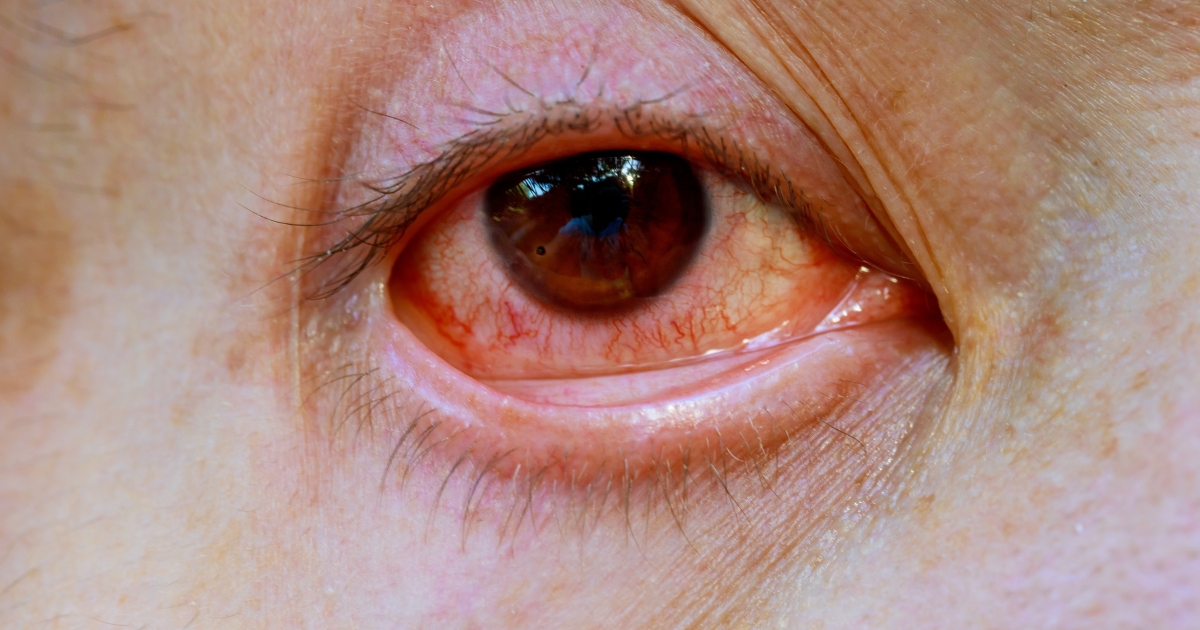
Red eyes can make you look tired or unhealthy. You might wonder, “What’s going on with my eyes?” Whether from allergies, infections, or something as simple as fatigue, eye redness is often a sign your eyes are trying to tell you something. Let’s dive into the potential causes and treatments for red eyes, helping you maintain that vibrant sparkle.
Why People Get Eye Redness?
Redness in the eyes occurs when the blood vessels on the surface expand and become more visible. This can result from various factors, from environmental irritants to underlying health conditions. Recognizing the root cause is crucial for effective treatment.
Common Causes of Eye Redness
- Allergies:
Seasonal allergies can trigger eye redness. When your eyes come in contact with allergens such as pollen, dust mites, pet dander, and mold, they can become itchy and inflamed, leading to redness. - Infections:
Conditions like conjunctivitis (pink eye) often cause noticeable redness. This infection can be viral or bacterial and may be accompanied by discharge or itchiness. Other infections, such as blepharitis (inflammation of the eyelids), can also result in red eyes. - Dry Eyes:
Environmental factors like air conditioning, heating, and prolonged screen time can lead to dry eyes. When the eyes lack moisture, they can become irritated and red. - Fatigue and Strain:
Overworking your eyes, whether from reading, using screens, or lack of sleep, can lead to redness. The eyes need rest, and when they’re strained, the blood vessels can dilate, causing that tell-tale red hue. - Foreign Bodies:
Dust, smoke, or even an eyelash can irritate the eye. Your body responds to such intrusions by increasing blood flow to the affected area, causing redness. - Subconjunctival Hemorrhage:
This condition happens when a small blood vessel breaks just beneath the eye’s surface, leading to a bright red patch. While alarming in appearance, it typically isn’t serious and resolves on its own. - Glaucoma:
Increased pressure within the eye can lead to redness, along with other symptoms like pain and blurred vision. If you suspect this condition, you should seek immediate medical attention. - Contact Lenses:
Wearing contact lenses for too long or not cleaning them properly can irritate your eyes. This irritation can lead to redness, discomfort, and potential infection.
How to Treat Eye Redness?
After identifying the cause of your eye redness, it’s essential to consider the right treatment. Here are some effective ways to address the issue:
- Antihistamines:
If allergies are the culprit, over-the-counter antihistamines can provide relief. Eye drops formulated for allergies can also soothe irritated eyes. - OptiLight Therapy
If dry eyes cause your eye redness, a fool-proof treatment option is OptiLight By Lumenis. It restores your vision and lubricates your eyes to treat dry eyes.
- Artificial Tears:
Lubricating eye drops (artificial tears) help provide moisture and reduce redness for dry eyes. Preservative-free options offer the best results. - Cold Compresses:
Applying a cold, damp cloth to your closed eyelids can help reduce inflammation and soothe irritation. - Rest Your Eyes:
If fatigue is the cause, take regular breaks from screens and ensure you get enough sleep. The 20-20-20 rule is handy: every 20 minutes, look at something 20 feet away for 20 seconds. - Avoid Rubbing:
Rubbing your eyes can worsen redness and irritation. Avoid the urge to touch your eyes, especially if you’re dealing with allergens or irritants. - Proper Contact Lens Care:
Follow your eye doctor’s guidelines for wearing and caring for your contact lenses. If you experience redness, consider switching to glasses temporarily. - Prescription Medication:
In cases of severe allergies or infections, your eye doctor may prescribe stronger treatments, such as steroid eye drops or antibiotics.
When to See an Eye Doctor
Red eyes can often be treated at home, but certain situations warrant a visit to an eye doctor. Seek professional help if you experience:
- Persistent redness that doesn’t improve with at-home care.
- Pain or discomfort in the eye.
- Changes in vision, such as blurriness or halos around lights.
- Discharge from the eye that’s yellow or green.
- Symptoms associated with glaucoma, like severe headaches or nausea.
Preventive Measures
Preventing red eyes is often possible with a few proactive steps. Consider these practices to keep your eyes healthy:
- Stay Hydrated:
Drinking enough water keeps your body and eyes hydrated. This simple step can help minimize dryness. - Limit Screen Time:
Take regular breaks when using screens. Adjust lighting to reduce glare, which can strain your eyes. - Use Protective Eyewear:
Sunglasses that block UV rays can protect your eyes from sun exposure. Also, consider protective eyewear when working with chemicals or doing projects that generate dust. - Maintain Indoor Air Quality:
Use humidifiers in dry environments and regularly clean your home to reduce allergens. - Regular Eye Exams:
Schedule routine visits with your eye doctor to monitor your eye health. These check-ups can help catch issues early, preventing more severe problems down the line.
Eye redness can result from many factors, and understanding the cause is the first step toward finding relief. Recognizing the signs and symptoms allows you to choose the appropriate treatment and implement preventive measures to maintain eye health. If symptoms persist or worsen, don’t hesitate to consult with your eye doctor. Remember, your eyes deserve the best care, so take the necessary steps to keep them healthy and vibrant!