
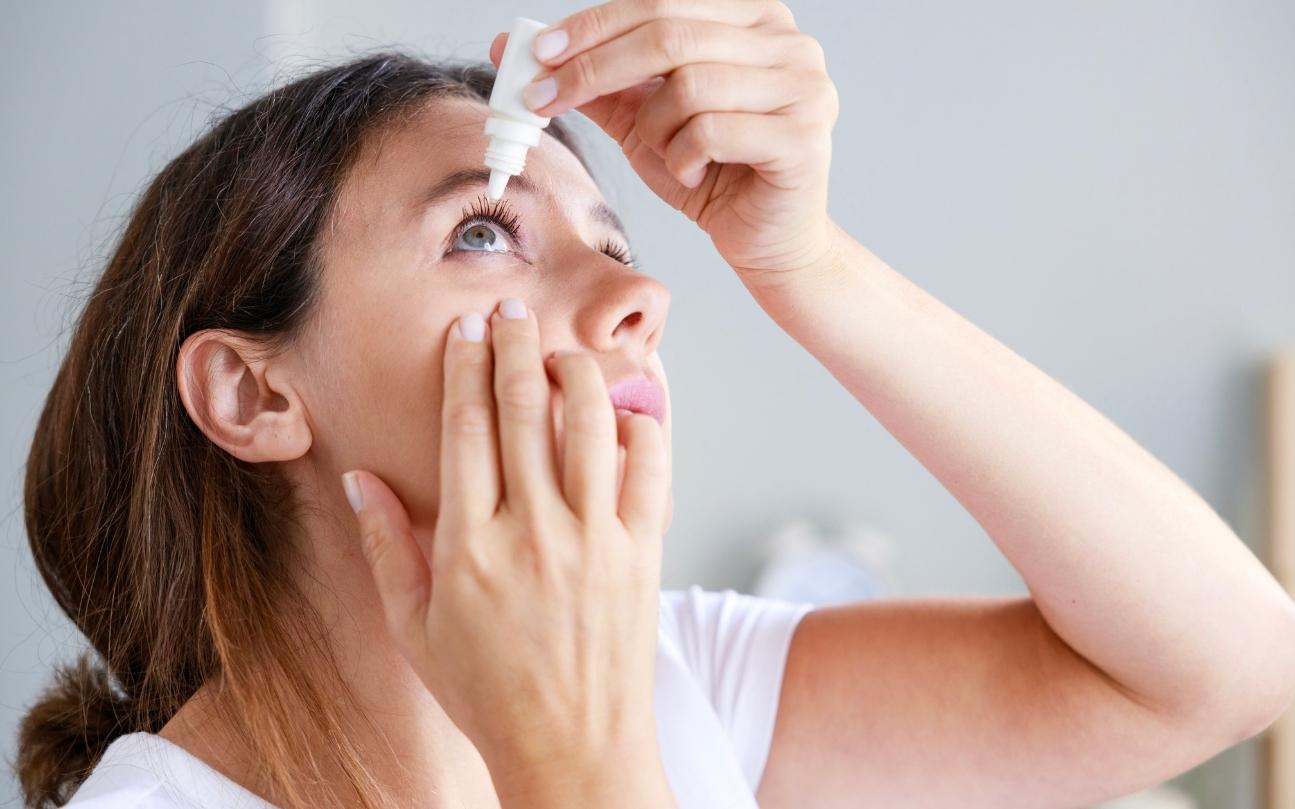
Dry eye is a common eye condition that affects women the most. There are multiple reasons behind this condition, mainly environmental factors. However, another significant reason for dry eye is changes in hormones.
Did you know that?
Fluctuations in your level of hormone can easily disrupt the balance of tear production and also lead to discomfort in your eyes.
When you understand how your hormones affect your dry eyes at different stages of your life, you will be better able to manage the symptoms.
Read the blog and learn more about the connection between hormonal changes and dry eyes.
How Hormones Impact Eye Health?
Your hormones play a very important role in maintaining your tear production and the stability of your eye’s surface. When these levels deviate from their normal position, they significantly affect your eye health, and in the long run, it often leads to dry eye symptoms.
Key Hormonal Changes Affecting Dry Eye
Menopause
- Reduced level of estrogen means a decrease in the production of tears. This alters the tear film composition.
- During and after menopause, it is not uncommon to experience chronic dryness in the eyes.
Pregnancy
- Fluctuations in hormone levels during pregnancy are not a rare occurrence. These changes can temporarily reduce tear production.
- Many women report facing issues of dry and irritated eyes, especially in the later stages of pregnancy.
Thyroid Condition
- If you suffer from a thyroid disorder, know this can affect the meibomian glands, leading to insufficient oil in tears.
- This condition can lead to quick evaporation of tears and dry eye disease in Houston.
Middle Age in Men
- Only women are not prone to dry eyes. Men can also suffer from this disease.
- With age, their tear glands become less active. So, tear production also decreases.
Recognize Hormone-Related Dry Eye
It is essential to understand when hormones cause your dry eyes to get the right treatment at the right time.
Common signs include:
- Continuous dryness and irritation in your eyes
- Difficulty wearing lenses
- Sensitivity to light
- Increased symptoms, especially during pregnancy and menopause.
How to Manage Hormonal Dry Eye?
Over-the-Counter Eye Drops
- With eye drops, you can create artificial tears that can provide temporary relief to your eyes.
- In such cases, choose an eyedrop with your doctor’s recommendation.
Prescription Treatments
- Sometimes, hormone replacement therapy is also advised for menopausal women. But it is done under strict medical supervision.
- Medicines like cyclosporine can be effective in reducing the inflammation around your eyes and also stimulate tear production.
Lifestyle Adjustments
- Drink plenty of water and keep your body hydrated.
- Take a diet full of omega-3 fatty acids. This will support tear production.
- Take regular and frequent breaks from digital screens to reduce strain on your eyes.
- While indoors, you can use a humidifier to maintain the moisture level.
As per reports, nearly 16.4 million Americans suffer from dry eyes. In this scenario, professional guidance becomes imperative. Your doctor will monitor and assess if your symptoms are from hormonal changes.
Hormones and changes in their levels can impact your eye significantly. If you recognize the connection between these two, it becomes easier to tackle the disease and lead a normal life.
If you suspect hormonal fluctuations are causing your dry eyes, contact us now and book an appointment today.