
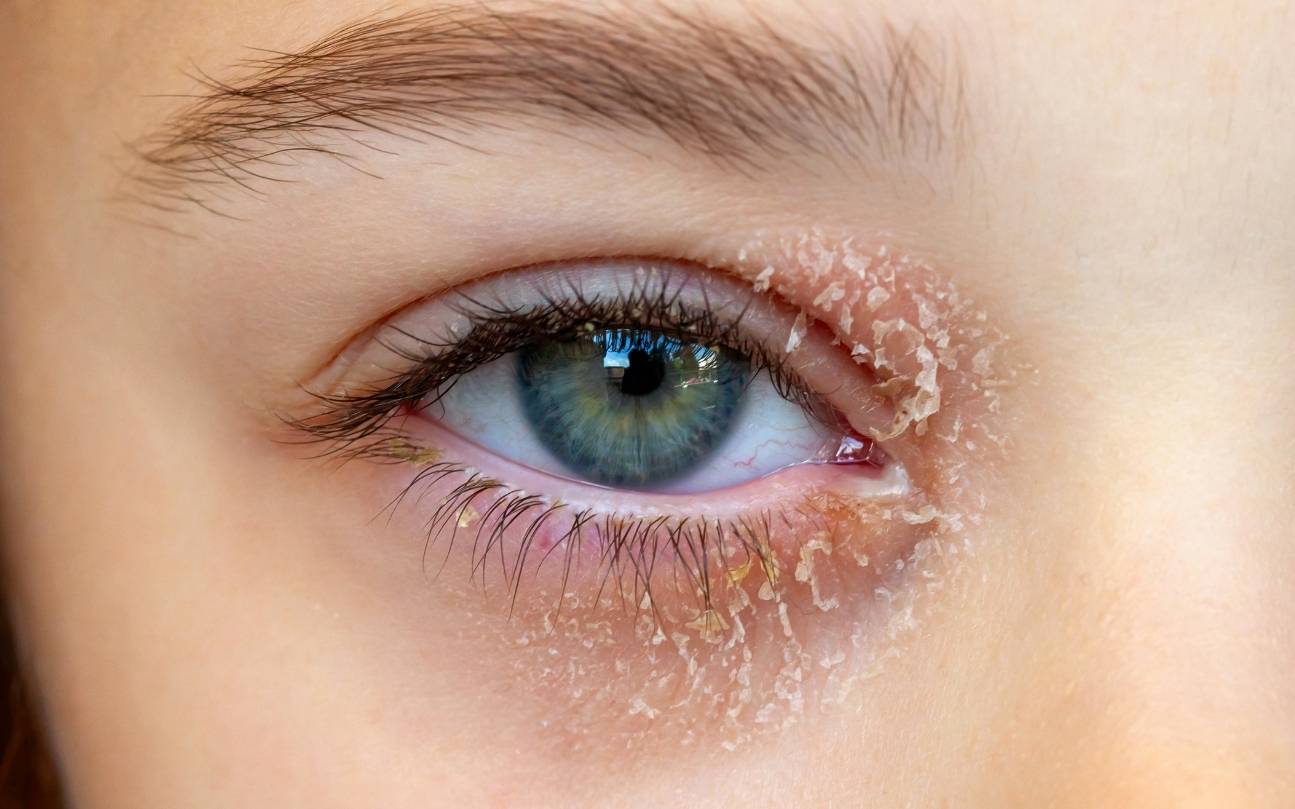
Blepharitis is an inflammation of the eyelids that makes your eyes itchy, red, and very uncomfortable. At the initial glance, this may seem like a minor inconvenience. But it can create big problems if you do not treat this disease on time.
From bacterial infections to environmental factors, there are multiple driving forces behind blepharitis. It is important to understand the causes so you can take the necessary steps to prevent it from spreading further.
What are the Primary Causes of Blepharitis?
Do you know this inflammatory eye condition can occur due to bacterial infection and many skin conditions?
Let us read more about the causes:
- Bacterial Infection
Sometimes, the bacteria Staphylococcus overgrows and infects the edges of the eyelids. This bacteria releases some toxins that cause redness, swelling, and crusting around the eyelids.
- Dysfunction of Meibomian Gland
Your meibomian glands are located along your eyelids. These glands produce the oil that prevents the eye from drying out. When these glands are blocked, oil is not sufficiently produced. This results in irritated and swollen eyelids.
Meibomian gland dysfunction is the major cause of posterior blepharitis, which is identified by greasy eyelids.
- Skin Conditions
Some skin conditions can also increase the chances of getting blepharitis.
- Rosacea leads to inflammation and redness in the face. It causes ocular rosacea, which again is a leading factor of blepharitis.
- Seborrheic dermatitis causes dandruff-like flaking around the eyelids, which irritates them. This leads to bacterial growth and inflammation of the eyelids.
What Are the Other Contributing Factors?
How you live your life daily also has a great impact on blepharitis.
- Environmental Irritants
If you already have inflamed eyelids, then pollutants, smoke, and allergens can aggravate the situation for you.
- Poor Hygiene Practices
Taking proper care of the eyelids is also necessary. Properly cleaning the lids will ensure no accumulation of excess oil or debris around the lids.
Also, proper makeup removal is essential. If you skip this step, your eyes can be highly vulnerable to blepharitis.
You can also use BlephEx, an in-office treatment option, to clean the eyelids and remove debris, bacteria, and biofilm around the lids.
- Cosmetic Products
Overusing some cosmetic makeup products can sometimes prove to be negative. Products containing harsh chemicals irritate the skin around the eyelids and cause inflammation.
How to Know If You have Blepharitis?
The signs of blepharitis are usually worse in the morning.
- Dry eyes
- Watery eyes
- Frequent blinking
- Sensitivity to light
- Greasy and itchy eyelids
- A burning sensation in the eyes
- Flaking around the skin of eyelids
- Redness along the edges of the eyelids
- Eyelids sticking when you first wake up in the morning.
Blepharitis, if not treated on time, can lead to other eye issues such as stye, chalazion, cornea damage, and many more things. Hence, it is essential to understand its signs and take the necessary steps in a timely manner.
Blepharitis is an eye condition that is caused by a combination of bacterial infection and gland dysfunction, often triggered by some environmental and health-related factors. Identifying the root causes is the first step toward successful management of the disease.
If you are experiencing the symptoms of blepharitis or want to know more about the condition, consult with an eye care professional right now. Being aware is the major step towards being healthy.