
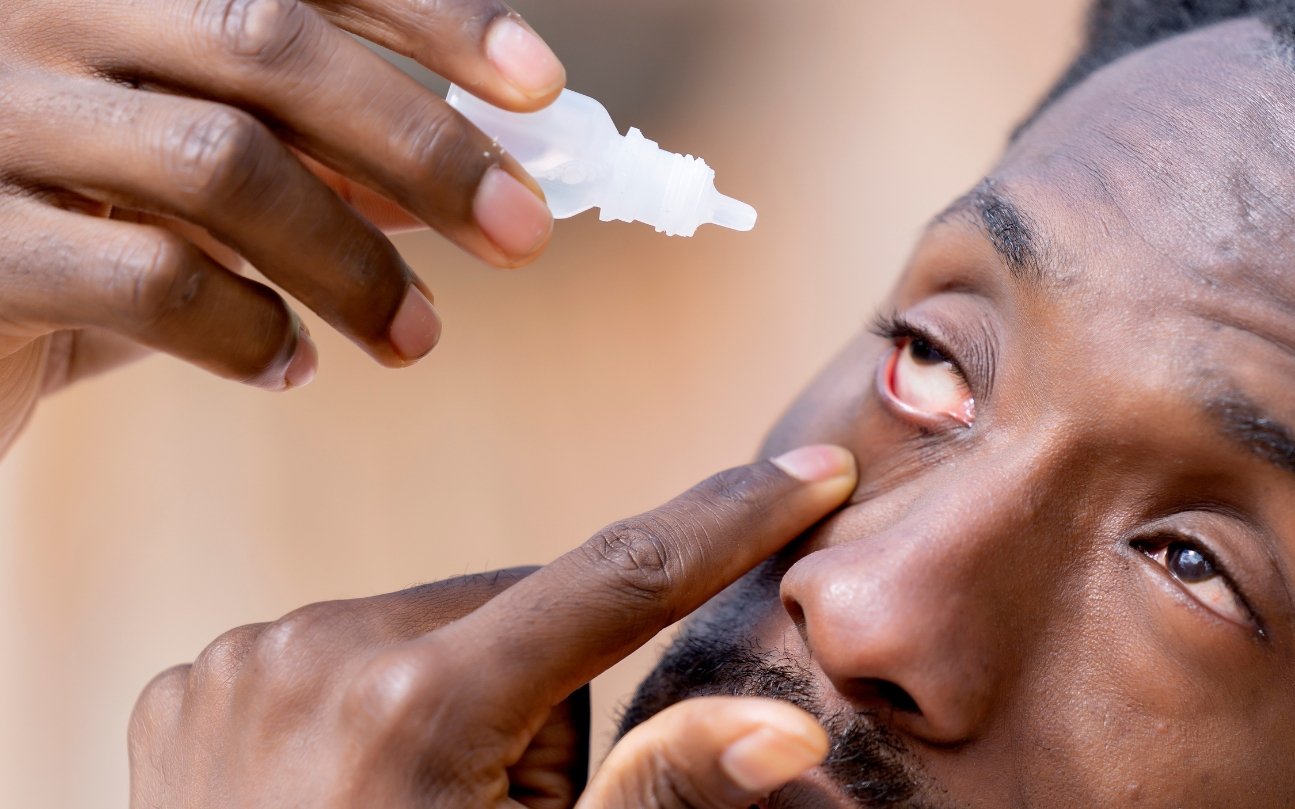
Dry Eye disease affects millions worldwide, especially in urban areas like Houston, where environmental factors and long hours of screen time can exacerbate the condition. The feeling of a foreign body sensation in the eyes can be uncomfortable and disruptive. Fortunately, lifestyle changes can go a long way in managing dry eyes and alleviating discomfort. This blog explores actionable adjustments you can make to improve your eye health and reduce the irritation associated with Dry Eye disease.
1. Hydrate Properly for Healthier Eyes
One of the simplest and most effective ways to combat Dry Eye disease is by staying hydrated. Like the rest of your body, your eyes require water to function properly. Dehydration can worsen symptoms of Dry Eye disease, leading to irritation and discomfort.
- Increase water intake: Aim for at least 8 cups of water a day to help maintain tear production.
- Avoid caffeine: Excessive caffeine can lead to dehydration and worsening Dry Eye symptoms.
- Consider hydrating foods: Incorporate fruits and vegetables with high water content, such as cucumbers and oranges, into your diet.
Hydrating your body helps your eyes produce more moisture, reducing the likelihood of a foreign body sensation.
2. Adjust Your Work and Screen Time Habits
For many in Houston, extended hours spent in front of screens—whether for work or leisure—can exacerbate dry eye disease. Constantly focusing on screens leads to less frequent blinking, which causes the eyes to dry out.
- Follow the 20-20-20 rule: Every 20 minutes, look at something 20 feet away for 20 seconds. This helps reduce eye strain and promotes blinking.
- Use artificial tears: If you spend long hours on the computer, consider using preservative-free eye drops to keep your eyes moist throughout the day.
- Adjust your screen brightness: Reduce glare by adjusting your brightness to match the ambient light, and use an anti-glare screen filter if needed.
By making these simple adjustments, you can reduce the impact of Dry Eye disease caused by prolonged screen exposure.
3. Optimize Your Home’s Humidity
Dry, heated air is a common issue in Houston, especially during colder months, which can significantly worsen Dry Eye disease.
- Use a humidifier: A humidifier can add moisture to the air and prevent your eyes from drying out.
- Avoid direct heat: Position air vents, fans, and heaters away from your face to avoid drying out the eyes.
- Ventilate your home: Ensure your living spaces are well-ventilated to maintain a healthy moisture balance.
A humid environment is essential for reducing eye irritation and foreign body sensations.
4. Protect Your Eyes from Environmental Elements
Houston’s climate can be hot, windy, and dusty, all contributing to Dry Eye disease. Protecting your eyes from environmental irritants can reduce discomfort and manage symptoms effectively.
- Wear sunglasses: Sunglasses can shield your eyes from wind and dust while protecting against UV rays, which can worsen Dry Eye disease.
- Consider goggles or wraps: Wearing protective eyewear can minimize exposure to harmful elements in extremely windy environments or while cycling.
- Use an eye mask at night: An eye mask that retains moisture can help prevent your eyes from drying out while you sleep.
These proactive steps help reduce the discomfort associated with Dry Eye disease and improve eye health.
5. Include Omega-3 Fatty Acids in Your Diet
Omega-3 fatty acids are well-known for their anti-inflammatory properties and ability to support tear production. Adding Omega-3-rich foods to your diet can help manage Dry Eye disease and relieve the sensation of something foreign in the eye.
- Eat fatty fish: For a natural source of Omega-3s, incorporate salmon, mackerel, and sardines into your meals.
- Consider supplements: If getting enough Omega-3s from food is challenging, consider supplements. Consult with a healthcare provider to find the correct dosage for you.
- Flaxseed and chia seeds: These plant-based sources of Omega-3s can also be added to smoothies, cereals, and salads.
A diet rich in Omega-3 fatty acids can support healthy tear production and reduce eye inflammation, relieving Dry Eye symptoms.
6. Practice Regular Eye Exercises
Like other body parts, your eyes benefit from exercise to improve circulation and reduce dryness. These exercises can also promote better eye health and alleviate foreign body sensations.
- Blinking exercises: Blink rapidly 10-15 times to stimulate tear production and prevent dryness.
- Palming: Rub your hands together to create warmth, then gently cup your hands over your closed eyes. This relaxes your eye muscles and relieves tension.
Integrating simple eye exercises into your daily routine can alleviate symptoms of Dry Eye disease and improve overall eye comfort.
7. Consult with a Specialist for Personalized Treatment
While lifestyle changes can provide relief, some cases of Dry Eye disease require additional treatment. Consulting with an eye care professional in Houston is crucial to finding personalized solutions catering to your needs.
- Prescription treatments: A healthcare provider can prescribe medications or eye drops to improve tear production and relieve inflammation.
- Punctal plugs: These tiny devices can be inserted into the tear ducts to help retain eye moisture.
Working with a professional ensures you receive the right treatment plan to manage Dry Eye disease and effectively reduce foreign body sensations.
Managing Dry Eye disease in Houston requires a multifaceted approach. Lifestyle changes, such as increasing hydration, protecting your eyes from environmental factors, and optimizing your screen habits, can alleviate discomfort and reduce foreign body sensations. If these methods are insufficient, consult an eye specialist to explore more advanced treatments.