
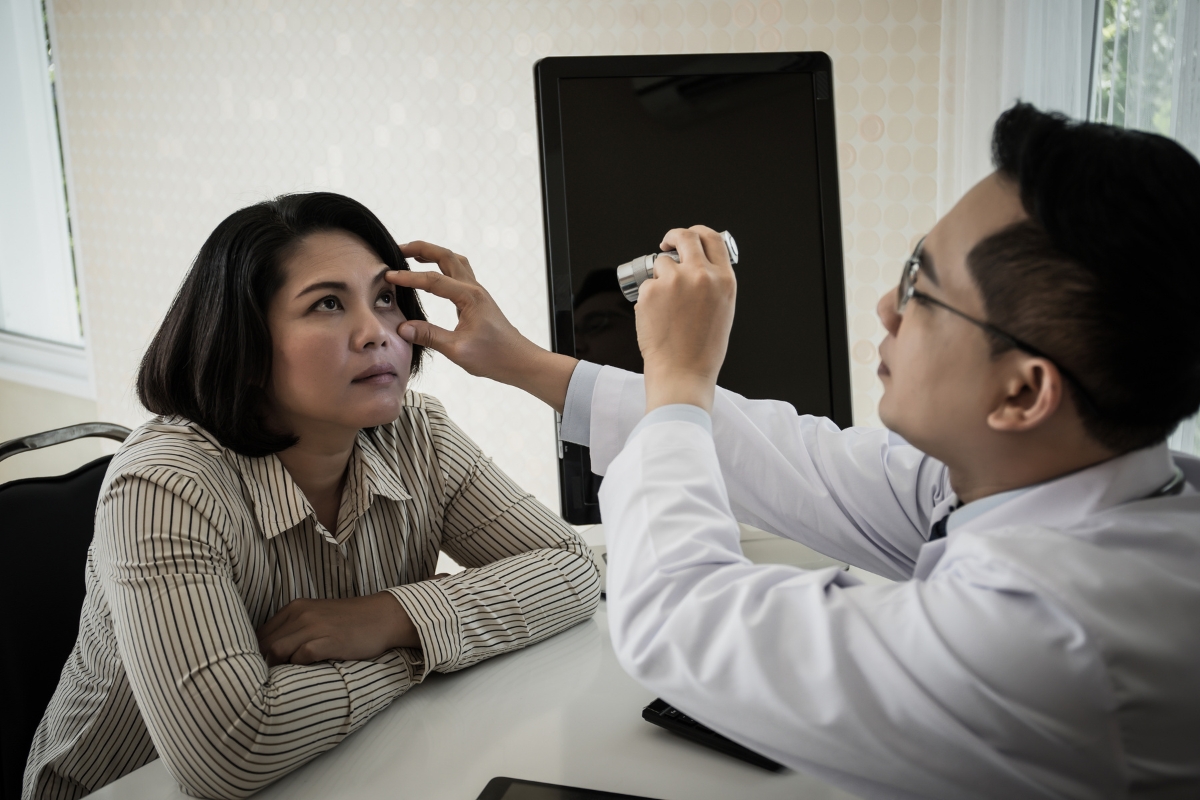
If you have been dealing with red, scratchy, watery, or burning eyes that never seem to get better, you are not alone. Dry eye disease affects millions of Americans, yet most people spend years masking symptoms with over-the-counter drops rather than addressing what is actually driving the problem. That is the core difference a dedicated dry eye practice makes. At Dry Eye Studio, our Dry Eye Specialists in Houston use advanced diagnostics and individualized treatment protocols to find the root cause of your dry eye and eliminate it, not just manage it.
Here is a comprehensive look at how that process works.
Why Dry Eye Is More Complex Than Most People Realize
Dry eye disease is not simply a matter of your eyes producing too few tears. It is a chronic, multifactorial condition involving the stability of your tear film, the health of the glands in your eyelids, the level of inflammation in your ocular surface, and even systemic factors like diet, hormones, and screen habits.
The tear film that protects your eye surface has three layers: an outer oily layer, a middle watery layer, and an inner mucin layer. When any one of these layers is disrupted, the tear film breaks down, the ocular surface becomes exposed, and inflammation begins. Left untreated, that inflammation accelerates the deterioration of the very glands responsible for keeping your eyes comfortable, creating a self-reinforcing cycle of worsening symptoms.
This is why patients who rely solely on artificial tears often find only temporary relief. Drops replenish volume but do not correct the underlying tear chemistry, gland dysfunction, or inflammation causing the problem in the first place. According to the American Academy of Ophthalmology, dry eye disease is one of the most common reasons patients visit an eye doctor, yet it remains significantly undertreated.
The Root Causes Our Specialists Look For
Before any treatment begins, our team works to identify which root causes are contributing to your specific presentation. The most common drivers include:
Meibomian Gland Dysfunction (MGD): The meibomian glands line the upper and lower eyelids and are responsible for secreting the oily component of your tear film. When these glands become clogged or start to atrophy, the oily layer of the tear film thins, tears evaporate too quickly, and the ocular surface is left unprotected. MGD is the leading cause of evaporative dry eye and accounts for the majority of dry eye cases seen in clinical practice.
Ocular Surface Inflammation: Systemic inflammation in the body translates directly to local inflammation on the eye’s surface. This inflammation damages the lacrimal glands that produce the watery component of tears and accelerates meibomian gland loss. Identifying and reducing both systemic and ocular inflammation is a central pillar of effective treatment.
Demodex Blepharitis: Demodex mites are microscopic organisms that live in the hair follicles of the eyelashes. In excessive numbers, they trigger chronic lid margin inflammation, disrupt gland function, and prevent the eyelids from fully closing, which accelerates tear evaporation. Many patients with persistent dry eye have an undiagnosed Demodex infestation.
Aqueous Deficiency: Some patients produce an insufficient volume of the watery tear layer, often due to autoimmune conditions such as Sjogren’s syndrome or age-related lacrimal gland atrophy. Distinguishing aqueous-deficient dry eye from evaporative dry eye is critical because each type responds to different treatments.
Environmental and Lifestyle Factors: Prolonged screen time significantly reduces the blink rate, which means the meibomian glands are not being expressed regularly and the tear film is not being adequately spread across the ocular surface. Poor diet, dehydration, contact lens wear, and certain medications also contribute to dry eye progression.
How Our Dry Eye Specialists Diagnose the Root Cause
Accurate diagnosis is the foundation of effective treatment. Our clinic uses some of the most advanced diagnostic technology available in Houston to build a complete picture of your ocular surface before a single treatment is recommended.
TERA Dry Eye Imager: This technology allows our specialists to image the meibomian glands directly and evaluate their structure, density, and function. Gland dropout is irreversible, so early detection is essential. The TERA Imager gives our team precise, objective data to guide treatment and track progress over time.
Corneal Topography: Our topographer maps the surface of the cornea with high resolution, revealing irregularities caused by tear film instability and surface damage that standard examination alone would miss. This is particularly useful for patients experiencing fluctuating or blurry vision.
Tear Film Analysis: Assessing tear breakup time, tear volume, and tear quality allows our specialists to determine whether evaporation, insufficient production, or a combination of both is responsible for your symptoms.
Lid Margin and Lash Evaluation: A thorough examination of the eyelid margins, lash line, and meibomian gland orifices identifies signs of MGD, blepharitis, Demodex, and incomplete lid closure that contribute to dry eye.
Together, these assessments allow us to build an individualized diagnosis rather than applying a one-size-fits-all protocol.
How We Treat the Root Cause
Once the diagnosis is complete, our specialists design a treatment plan that targets the specific mechanisms driving your dry eye. The goal is not temporary symptom relief but lasting improvement in the health of your ocular surface.
Intense Pulsed Light (IPL) Therapy: OptiLight by Lumenis is the only FDA-approved IPL treatment for dry eye disease. It uses precise pulses of light to reduce abnormal blood vessels around the eyelids that fuel inflammation, liquefy thickened meibomian gland secretions, and destroy Demodex and bacteria. IPL is particularly effective for patients whose dry eye is driven by MGD and inflammation.
Thermal Evacuation with iLux2: The iLux2 system by Systane applies controlled heat and gentle compression directly to the inner eyelid, softening and expressing the solidified oils blocking the meibomian glands. This clears the obstruction and restores the oil flow essential for a stable tear film.
BlephEx Blepharoexfoliation: Using a precision handheld device, our specialists exfoliate the lid margins to remove biofilm, bacterial debris, and Demodex from the lash line. This reduces the inflammatory load on the eyelids and allows topical medications and in-office treatments to work more effectively.
Low-Level Light Therapy (LLLT): Also called photobiomodulation, LLLT uses targeted low-level light energy to stimulate cellular repair, reduce inflammation, and improve gland function. It is a gentle, non-invasive option that complements other therapies and is well tolerated by patients who prefer a drug-free approach.
Radiofrequency (RF) Treatment: RF energy applied around the eyelids generates precise heat that improves meibomian gland function, reduces laxity of the lower eyelid, and stimulates collagen production to support lid position and closure.
Prokera Amniotic Membrane: For patients with significant corneal surface damage, Prokera delivers a biologically active amniotic membrane that reduces inflammation, promotes corneal nerve regeneration, and accelerates healing of the ocular surface.
Each treatment plan at Dry Eye Studio is built around your diagnostic findings, your symptom severity, and your goals for long-term eye health.
What to Expect at Your First Visit
Your initial appointment at Dry Eye Studio is designed to be comprehensive. Our specialists take the time to review your full medical history, discuss your symptoms in detail, and complete a multi-point diagnostic evaluation before making any recommendations. You will leave with a clear understanding of what is causing your dry eye, which treatments are most appropriate for your case, and what your expected timeline for improvement looks like.
Many patients find that after years of frustrating, unsuccessful attempts at managing dry eye on their own, this level of precision and personalized attention makes an immediate difference.
Take the First Step Toward Real Relief
Living with dry, uncomfortable eyes does not have to be your norm. At Dry Eye Studio, our Dry Eye Specialists, whom Houston patients rely on, are ready to give you the comprehensive evaluation and targeted treatment your eyes deserve. Contact us today to schedule your appointment at our Heights or EaDo locations and get to the root of your dry eye once and for all.
The Link Between Systemic Health and Dry Eye Disease
Dry eye disease rarely exists in isolation. Research published by the National Institutes of Health (NIH) confirms that systemic conditions, including rheumatoid arthritis, lupus, thyroid disorders, and rosacea, are strongly associated with higher rates and greater severity of dry eye disease. Hormonal shifts during menopause, long-term use of antihistamines, antidepressants, or blood pressure medications, and even nutritional deficiencies in omega-3 fatty acids can all impair tear film stability and gland function. This is why our specialists at Dry Eye Studio do not evaluate your eyes in isolation. We take a full-picture approach that considers your complete health history, current medications, and lifestyle factors alongside your ocular surface findings. Addressing these systemic contributors alongside in-office treatment produces significantly better outcomes than targeting the eyes alone, and it is a key reason patients who have not responded to conventional dry eye care finally begin to experience lasting relief under our care.
Frequently Asked Questions
1. What makes Dry Eye Studio different from a regular eye doctor visit for dry eye?
A standard eye exam is not designed to diagnose the root cause of dry eye disease. Our practice is exclusively focused on dry eye, which means we use specialized diagnostic technology, maintain deep clinical expertise in the full range of dry eye etiologies, and offer advanced in-office treatments that most general eye care practices do not provide.
2. How do I know if I have meibomian gland dysfunction?
Common signs include eyes that feel worse later in the day, oily or foamy discharge along the lid margins, crusty lashes in the morning, and symptoms that temporarily improve after applying a warm compress. The only way to confirm MGD and assess gland health is through specialized imaging, which our team performs at your first visit.
3. Is dry eye disease treatable, or will I need drops forever?
For many patients, targeting the root cause with in-office treatments significantly reduces or eliminates the need for artificial tears. While dry eye is a chronic condition that requires ongoing management, the goal of our approach is to restore the natural function of your tear-producing glands so your eyes can maintain a healthy tear film on their own.
4. How many treatment sessions will I need?
This depends on the severity of your dry eye and the specific treatments recommended. IPL and RF therapies, for example, are typically performed as a series of sessions spaced several weeks apart. Your specialist will outline a clear treatment schedule at your initial consultation based on your diagnostic findings.
5. Can dry eye get worse if left untreated?
Yes. Dry eye disease is progressive. The inflammation and gland dysfunction that drive it tend to worsen over time without intervention. Meibomian gland atrophy is permanent, which is why early, root-cause-focused treatment is critical to preserving long-term ocular surface health.