
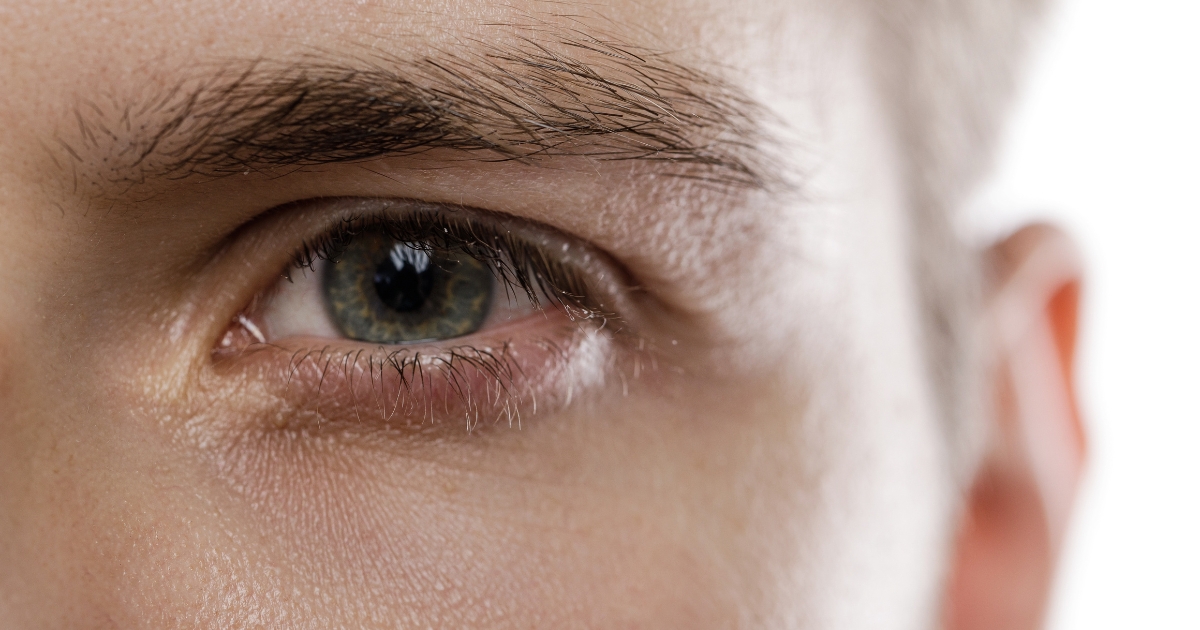
It can get annoying if your eyes feel constantly teary—whether you’re trying to read, work, or even drive. Watery eyes aren’t just irritating; they can blur your vision and affect daily life. So, what’s causing all the extra moisture, and more importantly, how can you get your eyes to stop being watery?
Let’s dive into a few potential culprits behind this common issue and explore some practical steps to bring your eyes back to comfort.
Common Causes of Watery Eyes
The human eye produces tears for good reason. Tears help lubricate, protect, and clean the eye’s surface. However, if your tear production goes into overdrive, it’s a sign something’s off. Here are some of the most common reasons why your eyes may be watering:
1. Dry Eyes That Trick Your Body
It sounds counterintuitive, but sometimes, watery eyes are a response to dry eye disease. When your eyes aren’t getting enough natural moisture, they send distress signals, and your tear glands produce more tears as a quick fix. This reflex tearing doesn’t help because these tears are watery and lack the oil and mucus that keep them in place.
2. Allergies and Irritants
Allergens like pollen, dust, and pet dander can water your eyes. The eyes respond to these irritants by producing tears to flush them out. Chemicals in household cleaners or cigarette smoke can also trigger excess tearing.
3. Blocked Tear Ducts
Your tear ducts are supposed to drain tears into the nose, but when they get blocked, they have nowhere to go. It’s when your eyes start tearing on the surface instead of draining properly and you get watery eyes.
4. Infections and Eye Strain
Conditions like pink eye (conjunctivitis) or blepharitis (inflammation of the eyelids) can also make your eyes water. Similarly, spending too much time staring at screens without enough blinking can cause eye strain, leading to discomfort and, you guessed it, watery eyes.
Quick Fixes to Stop Watery Eyes
Now that you know what might be causing your watery eyes, let’s discuss solutions. While some cases may require a visit to your eye doctor, others can be resolved with a few simple changes to your routine. Here are several tips that can help bring your tears back under control.
1. Keep Your Eyes Hydrated
Make sure your eyes are adequately lubricated to prevent them from sending out those SOS signals for more tears. Artificial tear drops can help keep your eyes moist and prevent overproduction of tears. Just make sure you’re using preservative-free options to avoid irritation.
2. Use a Humidifier
Suppose dry air contributes to your watery eyes, especially during winter or in air-conditioned rooms. In that case, a humidifier can add moisture to the environment and help keep your eyes from drying out.
3. Stay Away from Triggers
If allergies are to blame, try to minimize exposure to whatever triggers them. Keep windows closed during high-pollen days and use air purifiers indoors. If you wear contact lenses, ensure they’re clean and allergen-free.
4. Warm Compresses for Blocked Tear Ducts
If your watery eyes are caused by blocked tear ducts, applying a warm compress to them several times a day can help open them up. Gently massage the area around your eyes to stimulate tear drainage.
5. Blink More When Using Screens
Eye strain from screen use is common and can contribute to watery eyes. Follow the 20-20-20 rule: Every 20 minutes, take a 20-second break and look at something 20 feet away. Blinking more frequently also helps rehydrate the eyes.
6. See an Eye Doctor When Needed
If your watery eyes persist or worsen, it’s time to see your eye doctor. They can determine if there’s an underlying issue, such as chronic dry eye syndrome, infection, or another condition that requires medical treatment. Your eye doctor can also prescribe eye drops tailored to your condition or offer treatments like punctual plugs for blocked tear ducts.
Lifestyle Adjustments to Keep Your Eyes Comfortable
Watery eyes don’t have to be an everyday struggle. There are plenty of small lifestyle changes you can adopt to reduce the risk of irritation and keep your eyes comfortable:
- Sunglasses for UV Protection
Wearing sunglasses helps shield your eyes from harsh sunlight and wind, which can irritate the eyes and lead to excess tearing.
- Proper Eyewear for Allergies
If you have allergies, wear wrap-around sunglasses outdoors to block out pollen and dust. Avoid rubbing your eyes, as this can make them even more irritated.
- Stay Hydrated
Drinking enough water can help prevent dry eyes, which in turn reduces reflex tearing. Keeping your body hydrated supports your eyes in producing the right balance of tears.
When to Seek Help
While watery eyes can be a temporary nuisance, it’s essential to know when it’s time to seek professional help. If you notice any of the following symptoms along with watery eyes, consult an eye doctor in Houston:
- Persistent pain or discomfort
- Redness or swelling
- Sensitivity to light
- Vision changes
These could be signs of a more severe issue that requires medical attention.
Watery eyes can be frustrating, but they’re often a sign that your eyes need a little extra TLC. A few small changes, such as keeping them moist, protecting them from allergens, or getting regular check-ups with your eye doctor, can make a big difference. Addressing the underlying causes will not only stop the excess tears but also help your eyes feel more comfortable in the long run.
By adopting these simple strategies, you’ll be able to enjoy clearer vision and fewer tissues in no time!