
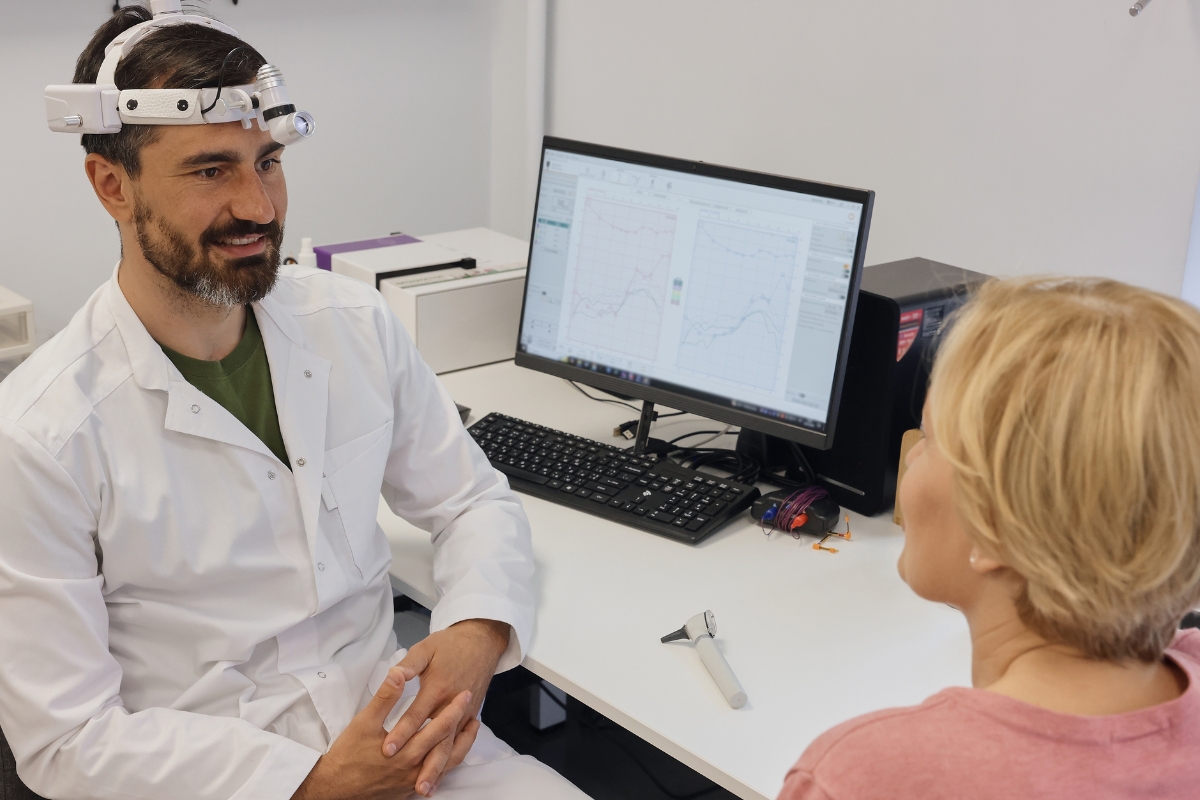
If your eyes feel gritty and watery and are sensitive to light, you are not imagining it and are not alone. Most Houston residents experience dry eye symptoms daily due to long work hours, continuous gadget use, and changing indoor environments.
However, most quick fixes do not address the real problem. The origin of dry eye is usually at the glandular level rather than on the surface of the eye.
This post breaks down a treatment for changing dry eye management, clearly and simply, so you can decide what works.
What Is Low-Level Light Therapy, and How Does It Work?
Low-level light therapy, LLLT, or photobiomodulation, is a noninvasive treatment using specific light wavelengths to stimulate the body’s natural healing process.
The eye care part would then relate to eyelid and glandular functions, particularly the meibomian glands, which produce the oily component that keeps the eyes lubricated.
When the glands are dysfunctional, tears evaporate too quickly, leading to dryness, irritation, and burning.
Thus, while many Houston patients are at the second level of understanding treatment options, Low-Level Light Therapy (LLLT) in Houston is a targeted approach that works at the source by restoring gland function and reducing inflammation, rather than masking symptoms.
What does LLLT involve?
- Light energy penetrates the skin around the eyes
- Cells are stimulated
- Blood flow is increased
- Glandular oil production is normalized
- Inflammation decreases spontaneously
This has found wide clinical acceptance since it addresses function rather than symptom-based relief.
Why Dry Eye Is So Common in Houston
Houston’s environment plays a major role in the frequency of dry eye symptoms. If you’ve never had this issue before, it doesn’t mean that local conditions won’t cause or exacerbate it.
Some common triggers in the area include:
- Constant use of air conditioning indoors
- Long commutes and extensive screen time
- Fluctuations in heat and humidity
- Seasonal allergens found in places like Buffalo Bayou or Memorial Park
- Office settings with poor air circulation
Many people noticed a further deterioration in their symptoms when they spent too much time outdoors or in workplaces with air conditioning. Without treatment, this condition can only worsen over the years. That is why other, more complex treatments are becoming increasingly important for Houston residents.
Key Benefits of Light-Based Therapy for Dry Eye
Low-Level Light Therapy in Houston is gaining notice for providing tangible results without invasive procedures. Most of the time, patients mention:
- Enhanced tear stability
- Decreased burning and irritation
- Improved function of the glands
- Reduced reliance on artificial tears
- Greater comfort while using screens
Additional advantages include:
- Assistance in managing blepharitis (inflammation of the eyelids)
- Targeting bacteria that cause eye discomfort
- Supporting overall skin health around the eyes
- Enhancing circulation in the treated areas
Because it works at the cellular level, the results are often more consistent than those of short-term solutions.
Types of Light Used in LLLT
Different wavelengths are paired to work better together, and each one has its own purpose.
Red Light
- Stimulates cellular repair
- Supports collagen production
- Improves tissue function
Blue Light
- Targets bacteria
- Helps manage eyelid conditions like blepharitis
Yellow Light
- Improves blood circulation
- Reduces redness and swelling
Infrared Light
- Penetrates deeper layers
- Supports healing and reduces inflammation
This combination allows the treatment to address multiple aspects of dry eye at once.
What to Expect During the Treatment
The procedure is simple and does not require downtime.
During your session:
- You sit comfortably with your eyes closed
- A light device is placed around your face
- Treatment lasts about 15 minutes
- You may feel warmth, but no discomfort
In some instances, this may be followed by gland expression to optimize results.
After the session:
- You can return to daily activities immediately
- No restrictions on makeup or work
- No recovery time needed
For best outcomes, a series of sessions is usually recommended.
How Many Sessions Do You Need?
Treatment is usually a gradual process whereby a series may be required to achieve the intended results.
Standard approach:
- 6 sessions spaced 3–7 days apart
- Maintenance sessions as needed
Each session supports gland function; extreme results are not part of the treatment.
Is This Treatment Right for You?
If you are having one of the following issues with your eyes, LLLT may be right for you:
- Chronic dry or irritated eyes
- Burning or stinging sensations
- Vision that is fluctuating
- Eye redness or eyelid inflammation
- Dependence on eye drops
Traditional treatments may not provide sufficient relief and may therefore benefit from LLLT.
If you are having these issues, it is best to see an eye doctor for a complete evaluation.
A Smarter Way to Manage Your Dry Eye Symptoms
It is possible to stop struggling with daily dry eye symptoms! You really can make progress when you have an understanding of the cause and choose a treatment that addresses it.
LLLT represents a new type of therapy for treating dry eye disorders, focusing on restoring normal eye function rather than providing temporary relief, thereby providing comfort for a longer period.
The Next Step Toward Clearer, Comfortable Vision
If dry eye symptoms negatively impact your daily life, you should consider undergoing a complete evaluation at The Dry Eye Studio. During this process, we will work together to uncover the underlying cause of your dry eye symptoms and provide you with treatment to achieve a long-term, sustainable solution.
You can schedule an appointment today to learn how to incorporate Low-Level Light Therapy in Houston into your individualized plan to achieve clearer vision and greater comfort when you see!
Common Questions People Ask
1. How long does it take to see results from LLLT?
Most patients begin to notice improvement after a few sessions. Results build gradually as gland function improves over time.
2. Is LLLT safe for sensitive eyes?
Yes, it is a noninvasive, gentle procedure. It does not involve direct contact with the eye.
3. Can LLLT replace eye drops completely?
It may reduce dependence on drops, but individual results vary. Some patients still use drops occasionally for comfort.
4. Does the treatment hurt?
No, the procedure is painless. Patients usually feel mild warmth during the session.